Abstract illustration showing individual success impact within a community, emphasizing collective collaboration and shared prosperity.

Why Individual Success Alone Can’t Solve Community-Wide Problems

Introduction: Success Isn’t Enough on Its Own Society often glorifies individual success: the high-achieving student, the self-made entrepreneur, the top performer. But while these achievements are admirable, they rarely solve larger community-wide problems like inequality, education gaps, or systemic poverty. Real, sustainable impact comes when individuals think collectively, align goals, and act in ways that […]

Why Individual Success Alone Can’t Solve Community-Wide Problems Read More »

Abstract illustration representing cooperative game habits, showing interconnected shapes and shared decision-making flowing toward a common outcome.

From Play to Practice: How Cooperative Game Habits Shape Real-Life Decisions

Cooperative game habits don’t stay at the table. They quietly follow players into daily life—shaping how families share resources, how students collaborate, and how communities think about long-term success. That’s what makes cooperative play different from lectures or advice. Instead of explaining values, games train behavior. Every decision, consequence, and group discussion becomes practice for

From Play to Practice: How Cooperative Game Habits Shape Real-Life Decisions Read More »

Abstract digital illustration representing short games economic lessons, cooperation, and learning through interlocking shapes and flowing lines.

Why Short Games Teach Bigger Economic Lessons Than Long Lectures

In today’s fast-paced world, families and classrooms often struggle to teach big concepts like cooperation, resource management, and long-term planning. Traditional lectures can overwhelm learners with theory—but short cooperative games, like Share the Commons, offer a hands-on, engaging alternative. 1. Learning by Doing Beats Listening Studies in educational psychology show that active participation boosts understanding

Why Short Games Teach Bigger Economic Lessons Than Long Lectures Read More »

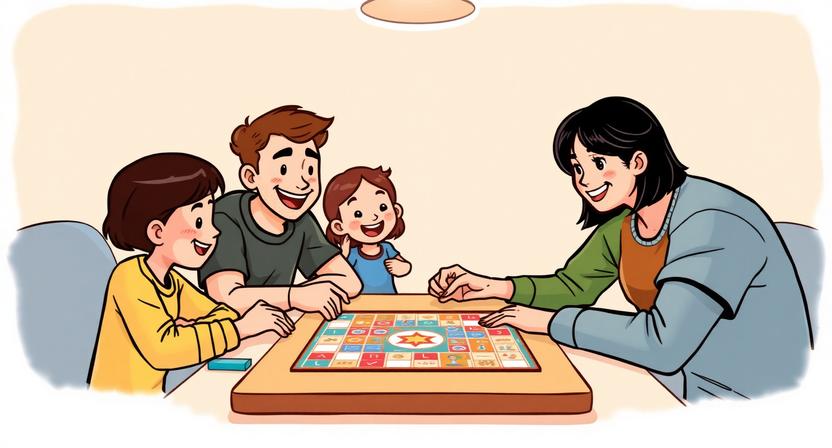
A family of four playing a cooperative board game together, illustrating what families learn from cooperative games in a fun and engaging setting

What Families Actually Learn After Their First Share the Commons Session

At first glance, Share the Commons plays exactly like SUPERCHECKERS.Same core mechanics. Same movement logic. Same accessibility. And that’s intentional. Because the real difference doesn’t come from how the game is played.It comes from what families notice, discuss, and carry with them after the session ends. When families finish their first Share the Commons game,

What Families Actually Learn After Their First Share the Commons Session Read More »

How cooperative games teach long-term thinking through shared planning and collaboration

How Cooperative Games Teach Long-Term Thinking Better Than Competition

Most games reward speed, dominance, or individual victory. Win fast. Beat others. Move on. But real life doesn’t work that way. Families, classrooms, and communities succeed not by short-term wins, but by decisions that hold up over time—choices that balance today’s needs with tomorrow’s consequences. This is where cooperative games offer something fundamentally different. Instead

How Cooperative Games Teach Long-Term Thinking Better Than Competition Read More »

Abstract illustration of Share the Commons strategic thinking board game, showing planning, collaboration, and strategy.

How Share the Commons Teaches Strategic Thinking in 15 Minutes

Board games can do more than entertain — they can teach families, classrooms, and communities how to think critically, collaborate effectively, and practice shared success. Share the Commons is a cooperative strategy game for 2–4 players that encourages planning, decision-making, and teamwork in just 15 minutes. Every choice impacts not only the game but also

How Share the Commons Teaches Strategic Thinking in 15 Minutes Read More »

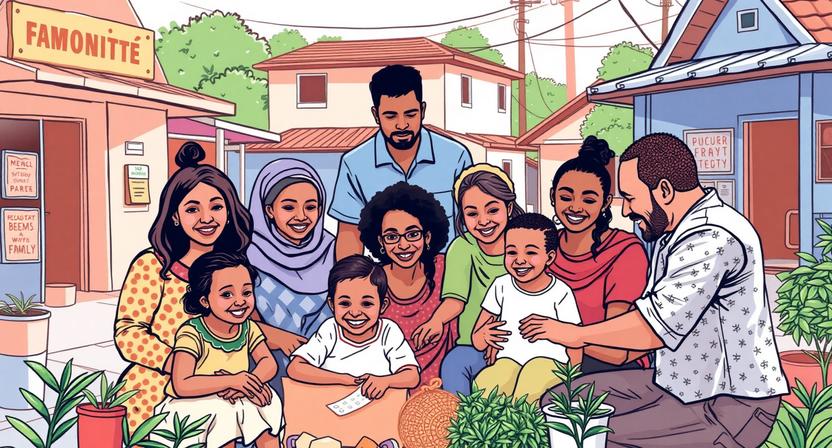
Community working together to achieve wealth equality through collective action, uplifting families and strengthening local economies.

Collective Action for Wealth Equality: Transforming Families and Communities

Wealth inequality is one of the most pressing issues of our time. Yet collective action—when communities, organizations, and families work together—can create measurable change that uplifts households and strengthens local economies. 1. Understand the Roots and Impact of Wealth Inequality Wealth inequality isn’t just about income—it affects access to education, healthcare, housing, and opportunity. Scenario:

Collective Action for Wealth Equality: Transforming Families and Communities Read More »

Diverse community collaborating and sharing resources, glowing roots connecting everyone, illustrating shared wealth and collaboration

🌱 Solving Wealth Inequality Through Collaboration: Lessons From Share the Commons

Wealth inequality is one of society’s most pressing challenges. When resources are concentrated in the hands of a few, creativity, opportunity, and community resilience suffer. But there’s a solution — collaboration. Through shared resources, strategic cooperation, and collective decision-making, societies and communities can unlock greater prosperity for everyone. At WeShare, our board game Share the

🌱 Solving Wealth Inequality Through Collaboration: Lessons From Share the Commons Read More »

Abstract image representing shared wealth, collaboration, and building stronger communities through collective action.

🌍 Why Shared Wealth Builds Stronger Communities

💡 Introduction Shared wealth and cooperative play communities thrive when resources are distributed fairly. When wealth is concentrated in the hands of a few, society loses its ability to flourish collectively. History shows that shared prosperity leads to stronger communities, greater innovation, and more resilient families. That’s the philosophy behind WeShare Platform and our board

🌍 Why Shared Wealth Builds Stronger Communities Read More »